"A Native Wildlife Ranch"
Research
Many universities and others working with CCR are posted on our facebook page for the work on endangered species, ocelot, Texas horned lizard, Texas Tortoise,
and Aplomado Falcon.
Reptiles
Texas Tortoise

Horned Lizard

http://www.hornedlizards.org/uploads/2/0/0/7/20078385/hlcs_may_2013_newsletter.pdf
Birds

Mammals
Insects

Insects

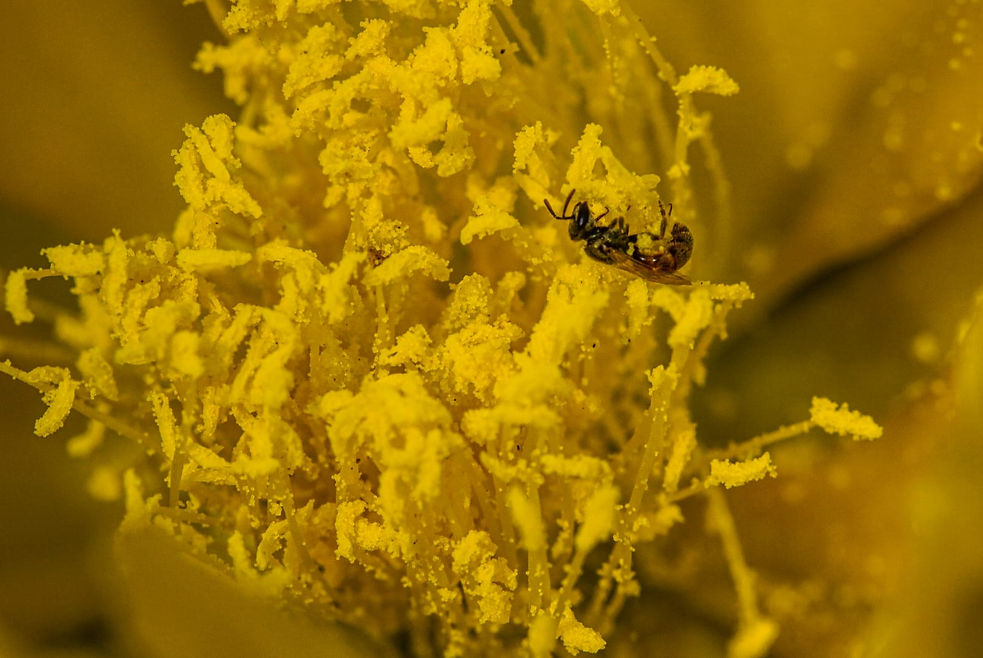
The first photo is a Cactus Wood-Boring Bee (Lithurgopsis littoralis) and this species is found primarily in South Texas and north Mexico, and the whole genus is typically only found along the US/Mexico border. As the common name implies, this bee has a special relationship with cactus; they roost in pre-existing holes in woody cactus stems and forage for food on cactus flowers. This bee is chunky, with long legs, and is a great example of the unique LRGV insects. Cactus Creek Ranch is home to dozens of native bee species, ranging from the Cactus Boring bee, to common leaf cutter bees, and even glittering green and blue sweat bees, not to mention the variety of wasps species.

A foundress Guinea paper wasp
(Polistes exclamans)

A really nice leaf cutter bee (Megachile parallela) in the process of procuring a leaf for her nest!